Introducing the newest addition to our fuel handling line: eSealVac® Electric Fuel Drain Bowser Learn More >
A Smarter Water Reclamation Process
Engineering partnership transforms wastewater into a sustainable resource
A leading potato processor partnered with Spokane Stainless Technologies (SST) to rethink its water reclamation approach. Together, they developed a fully engineered, insulated stainless steel vessel that cut water use, improved wastewater performance, and advanced the company’s sustainability goals.
Client Name: Confidential (Major U.S. potato processor)
Industry: Food Processing / Frozen Foods
Location: Washington State
Project Scope: Redesign a water-reclamation system to improve efficiency, reduce wastewater output, and support sustainability initiatives.
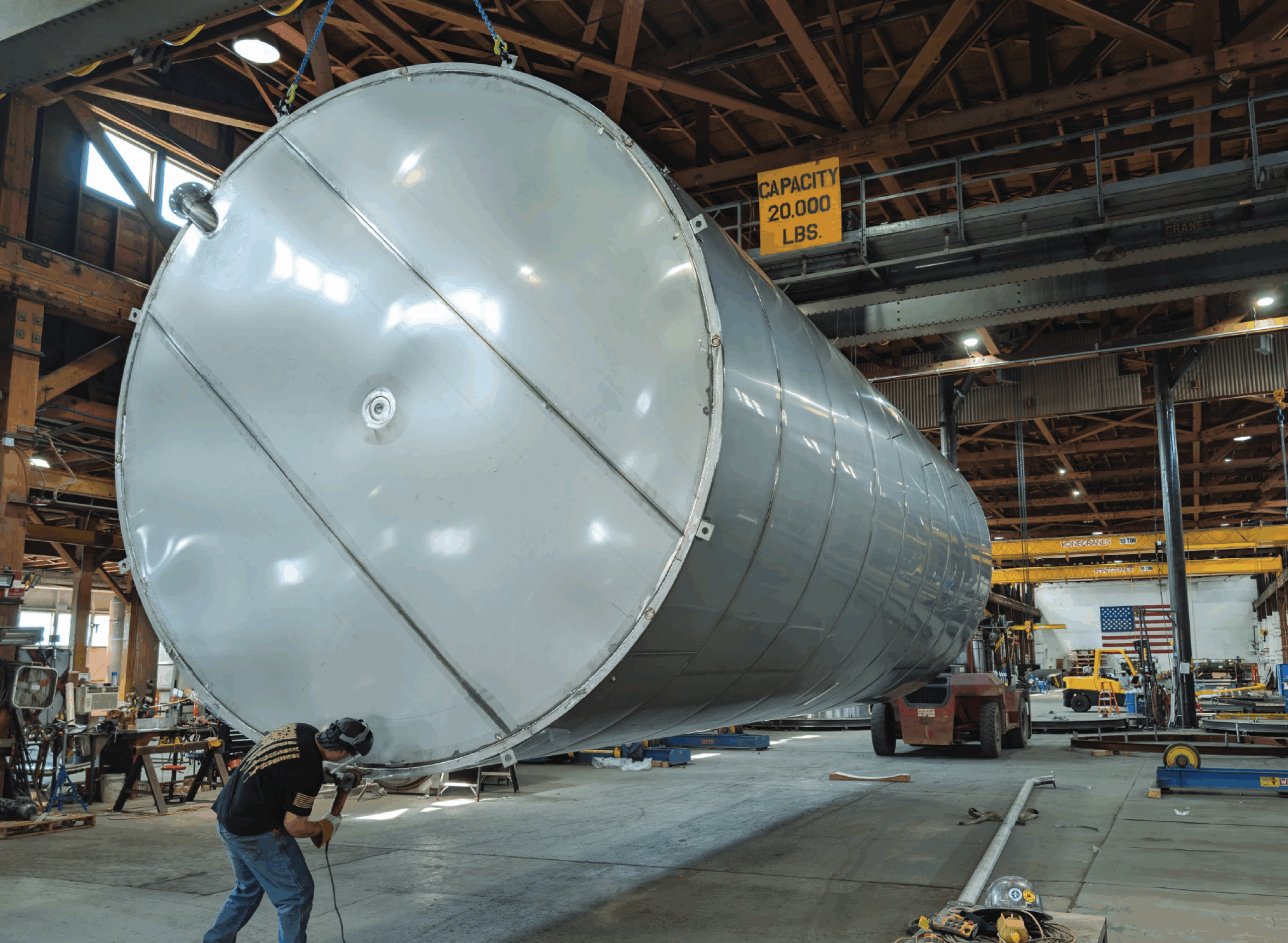
Solution Provided: Spokane Stainless Technologies engineered and delivered a custom-built, 40,695-gallon insulated water-reclamation vessel integrated into a new, closed-loop processing system.
The Challenge
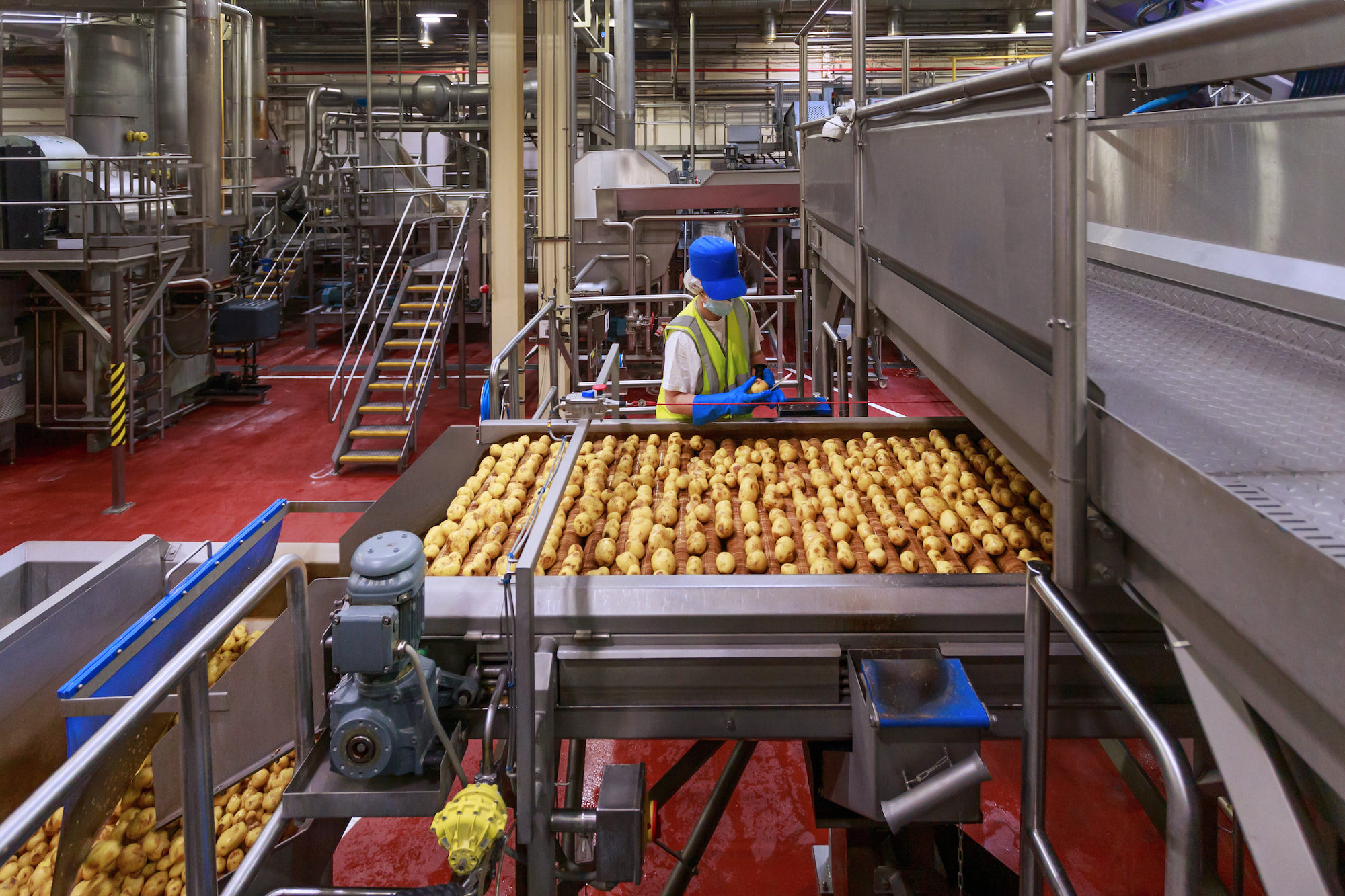
The processor—supplying major fast-food chains like McDonald’s, Burger King, and Wendy’s—relied on a system that couldn’t efficiently separate starch, oils, and organic material from wastewater. High water consumption, rising operational costs, and limited reuse potential made the process unsustainable.
A previous third-party modification of SST equipment created more problems than it solved. To achieve real improvement, the company needed a purpose-built solution designed in direct collaboration with SST.
The Solution
SST engineers approached the project as process partners, conducting a full system review and designing a custom 40,695-gallon potable-water tank featuring:
Cone-top and sloped-bottom for efficient drainage
Dual manways and multiple access ports
Two-inch Rockwool insulation with 14-gauge stainless cladding
Fully welded, passivated stainless construction for sanitation
Integrated sensors for precise temperature and level monitoring
This vessel became the core of a new reclamation system that turned wastewater into a reusable process resource.
Substantial reduction in total water consumption through on-site recycling
Lower wastewater management and treatment costs
Improved environmental-compliance metrics
Enhanced sustainability reporting at the corporate level
Elimination of problematic third-party system modifications
Streamlined maintenance and simplified operator workflow
The success of this initiative has since expanded into a broader facility-wide sustainability program, with SST continuing as a strategic engineering partner for new process-efficiency projects.