
Introducing the newest addition to our fuel handling line: eSealVac® Electric Fuel Drain Bowser Learn More >
Client Name: Defense Logistics Agency (DLA)
Industry: Defense / Military Logistics
Location: Military installations worldwide
Project Scope: Redesign aircraft defueling operations to eliminate fuel spills, reduce environmental contamination, and improve personnel safety across DLA facilities.
Solution Provided: Spokane Stainless Technologies engineered and delivered the SealVac system—a vacuum-based fuel recovery technology that creates sealed connections at aircraft drain points, transforming fuel recovery from an uncontrolled gravity process into a precision extraction operation.
DLA, one of the world’s largest logistics organizations, manages fuel operations supporting every branch of the U.S. military. Aircraft defueling relied on gravity drainage—a slow method that routinely spilled fuel onto runways, causing significant waste and contamination. Maintenance crews used basic hoses with no containment or coordinated system, leading to repeated failures.
The hazards were immediate and severe: aviation fuel contaminated tarmacs, created dangerous vapor clouds, threatened personnel safety, and violated strict EPA regulations. Beyond safety risks, millions of dollars in fuel were lost annually to evaporation and environmental contamination across global operations.
The initial request—build a mobile bowser with a funnel to collect draining fuel—would have only treated a symptom. A real solution required rethinking how military aviation installations recover and manage fuel.
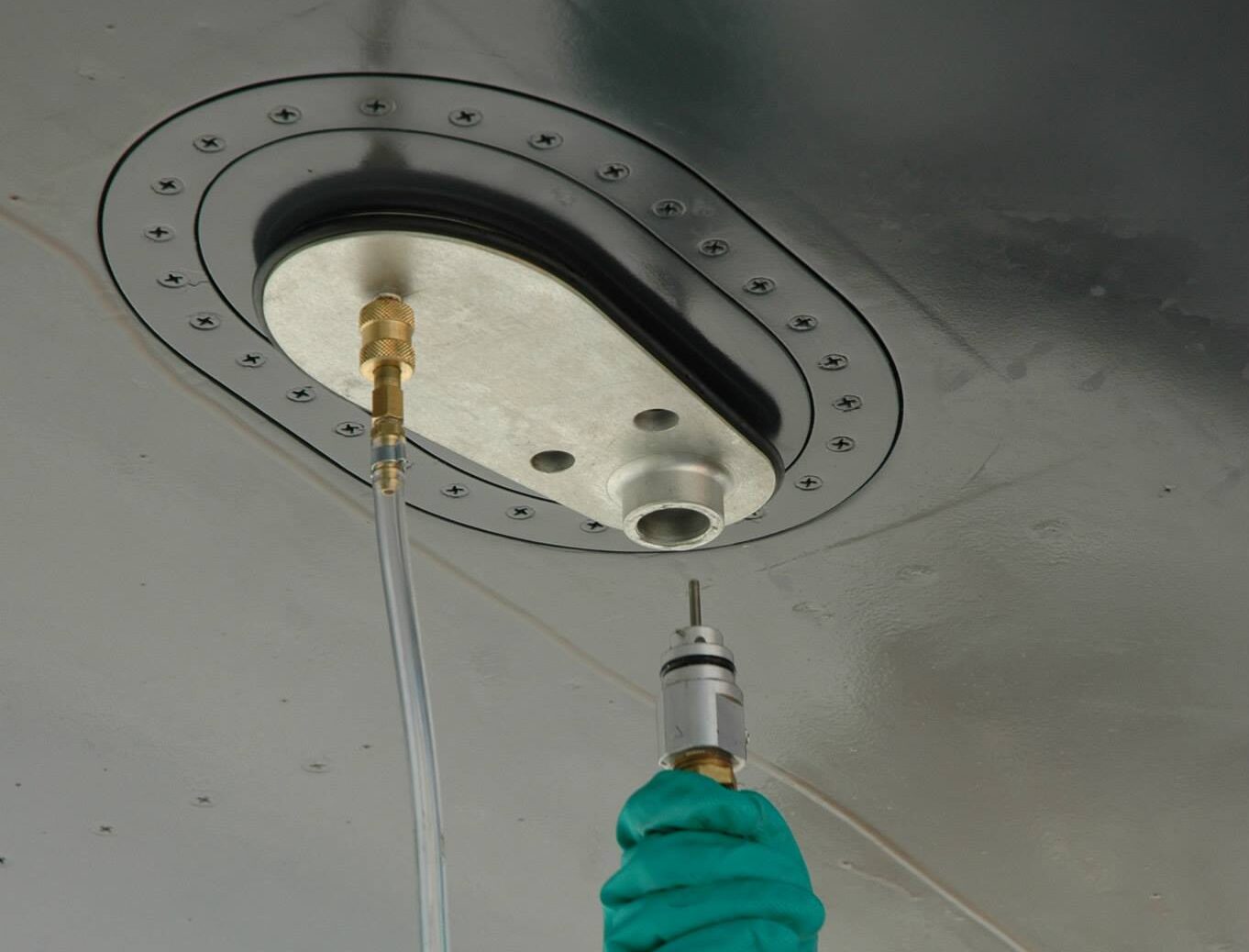
SST engineers approached the project as process partners, collaborating directly with Air Force maintenance crews through multiple rounds of prototyping and field testing. The result was the SealVac system, featuring:
This system transformed fuel recovery from a containment issue into a controlled extraction process—capturing fuel before it could spill rather than after.
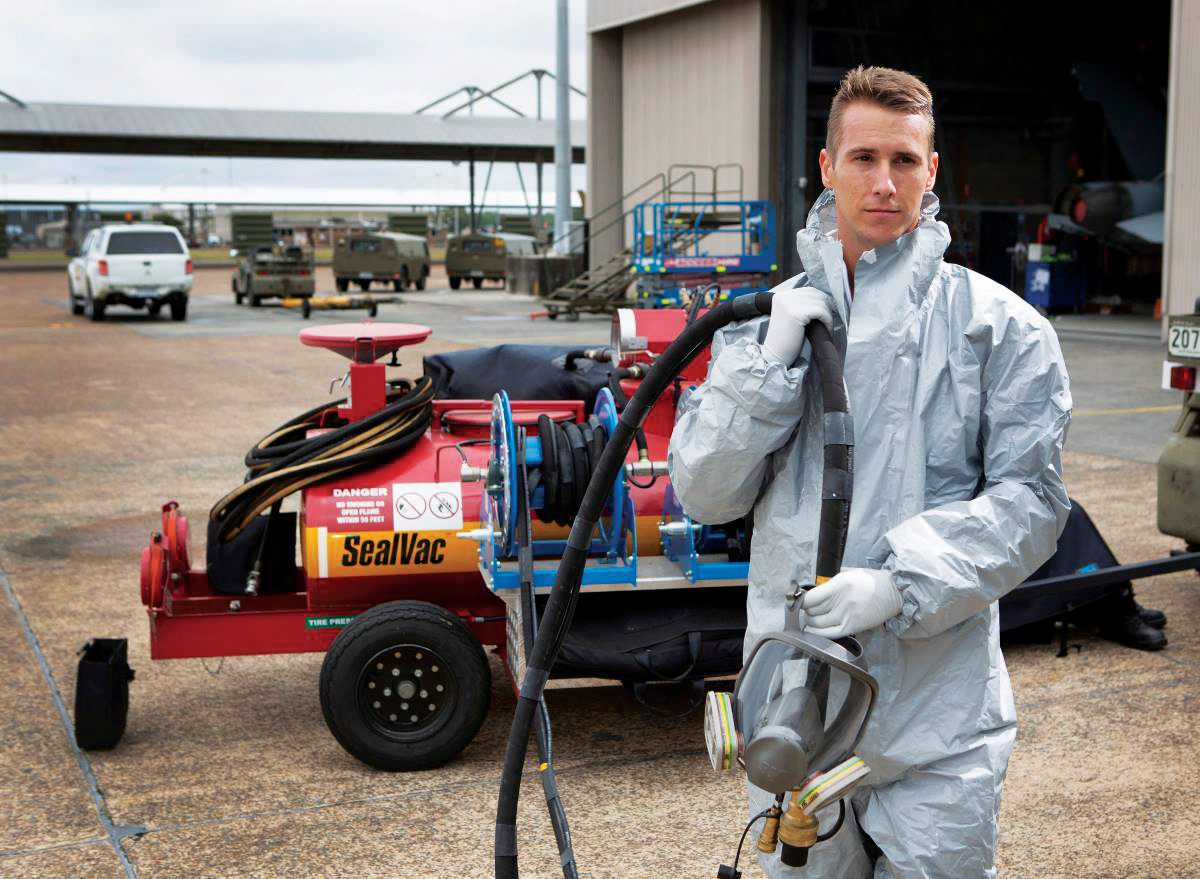
Key performance indicators highlighting project success:
The success of this initiative reinforced a core lesson: initial requests rarely reflect the full need. By moving beyond the bowser-and-funnel request to understand operational context, SST delivered a solution that transformed an entire process rather than improving a single component—and sparked a full reevaluation of fuel handling across military aviation.