
Introducing the newest addition to our fuel handling line: eSealVac® Electric Fuel Drain Bowser Learn More >
Client Name: Major California Wine Producer
Industry: Beverage / Wine & Spirits Manufacturing
Location: Lodi, California
Project Scope: Design, fabrication, and delivery of four UL 142-certified stainless steel distillate storage tanks on elevated pedestals, sized for secondary containment compliance.
Solution Provided: SST executed a paid engineering phase ahead of contract to produce stamped drawings for permitting, then fabricated two 12′ × 20′ and two 14′ × 30′ vessels and managed an oversized multi-state delivery using its own custom freight trailers.
One of California’s largest wine producers set out to build a purpose-built facility for processing wine-derived distillate at commercial volume, part of a broader push into the non-alcoholic wine category. The facility required UL 142-certified stainless steel tanks that also met food-grade standards, since the distillate would re-enter a consumable product supply chain.
The project stalled on two fronts: California’s building authorities required fully stamped engineering drawings before issuing a construction permit, and no fabricator in California could produce UL 142-certified stainless tanks at the required scale. The client couldn’t award a contract without permits, and couldn’t get permits without a vendor’s stamped drawings, a deadlock that had stopped the project cold.
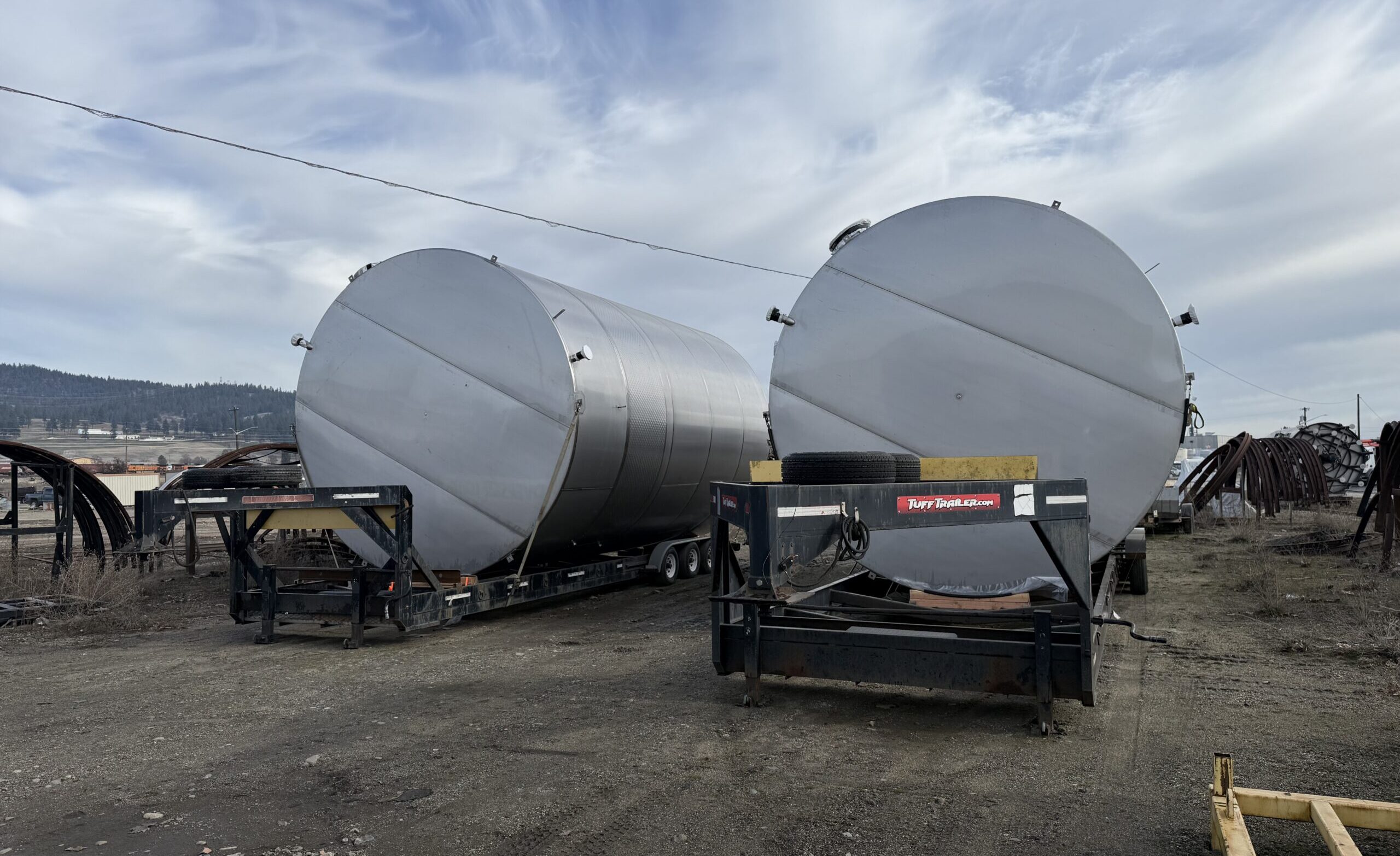
Spokane Stainless Technologies reframed the problem as a sequencing issue and proposed a paid engineering phase ahead of any fabrication contract. SST produced fully stamped UL 142 drawings, delivered the documentation package the permitting authority required, and followed with fabrication once permits were issued. The final design, developed collaboratively with the client’s process engineers, called for four tanks on elevated pedestals: two at 12′ diameter × 20′ tall and two at 14′ diameter × 30′ tall, all sized for secondary containment compliance.
Delivery added a logistical wrinkle. A mid-route CalTrans bridge restriction forced a four-state reroute through Idaho, Nevada, and Bakersfield before reaching Lodi. SST managed the reroute using its own custom oversized trailers, keeping both deliveries on the same arrival day so the client’s crane crew could set all four tanks in a single session.
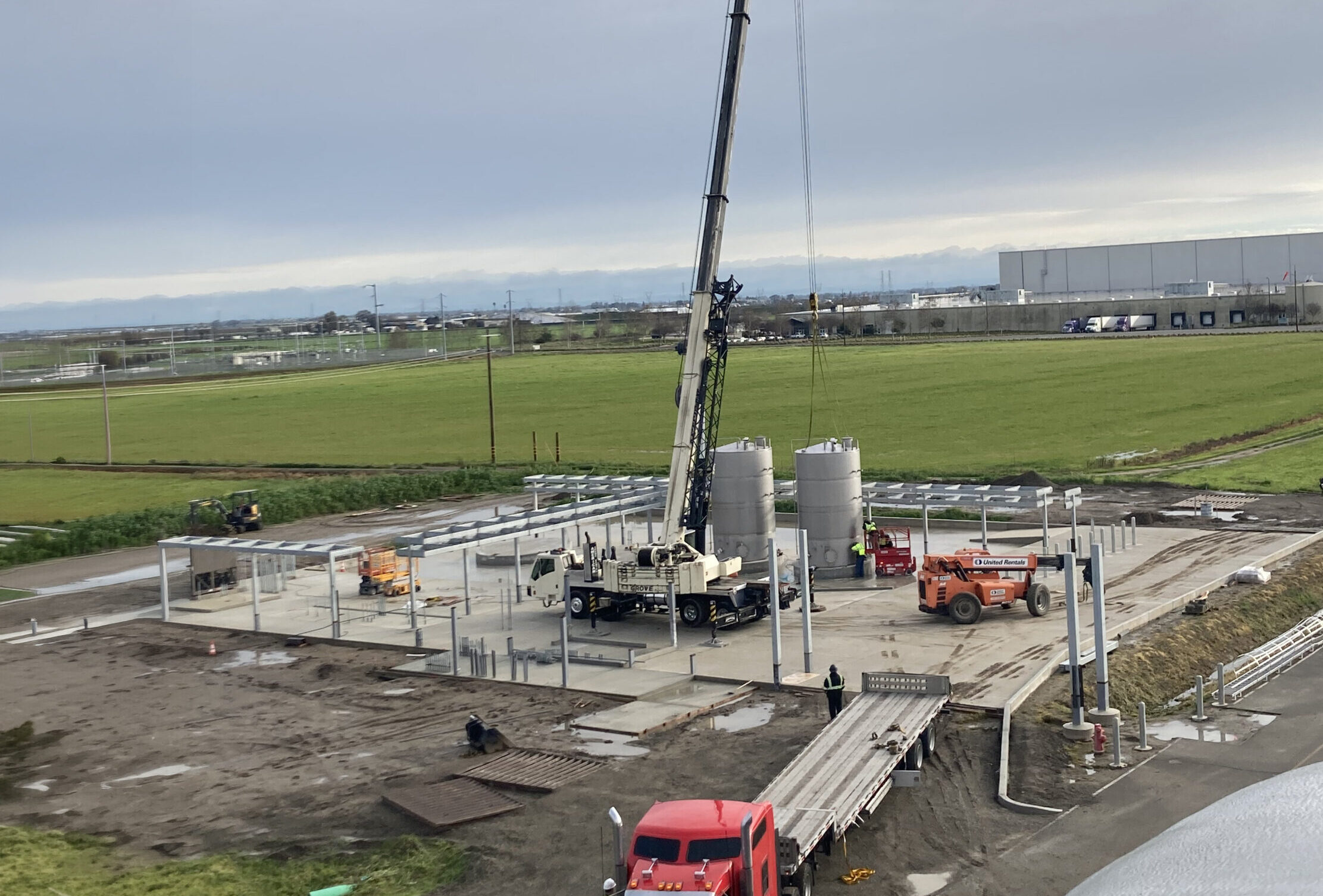
Since commissioning the new equipment, this California wine producer has achieved:
For a project of this technical complexity and geographic difficulty, the client identified SST as the only West Coast fabricator with the certification, fabrication scale, and delivery infrastructure to execute it end to end.