Revolutionizing Helicopter Maintenance for the 1106th TASMG
Sealed and dual-stage filtered—shortens defueling and maintains fuel quality.
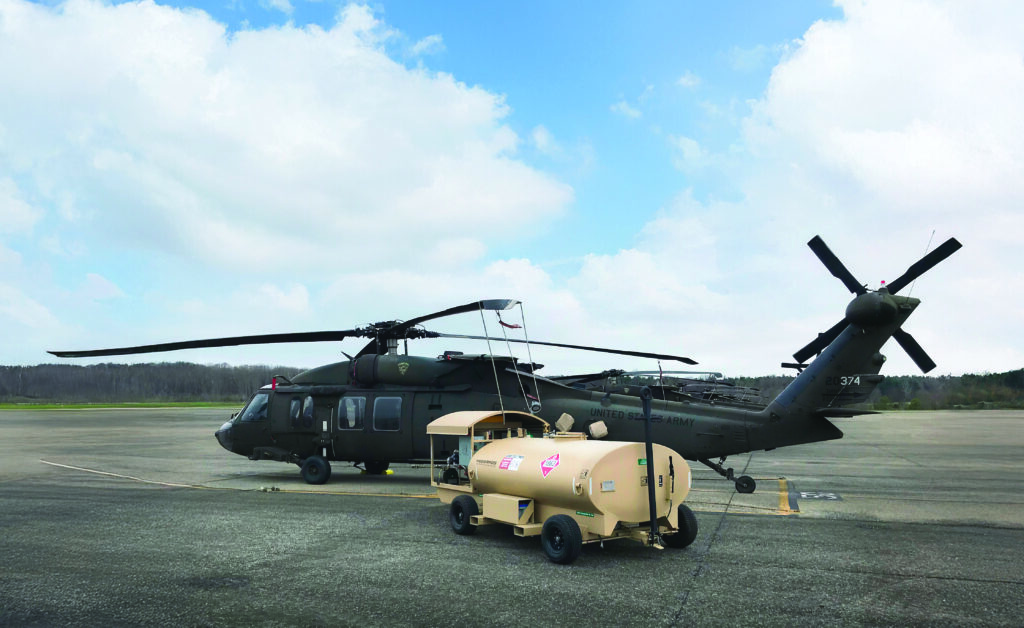
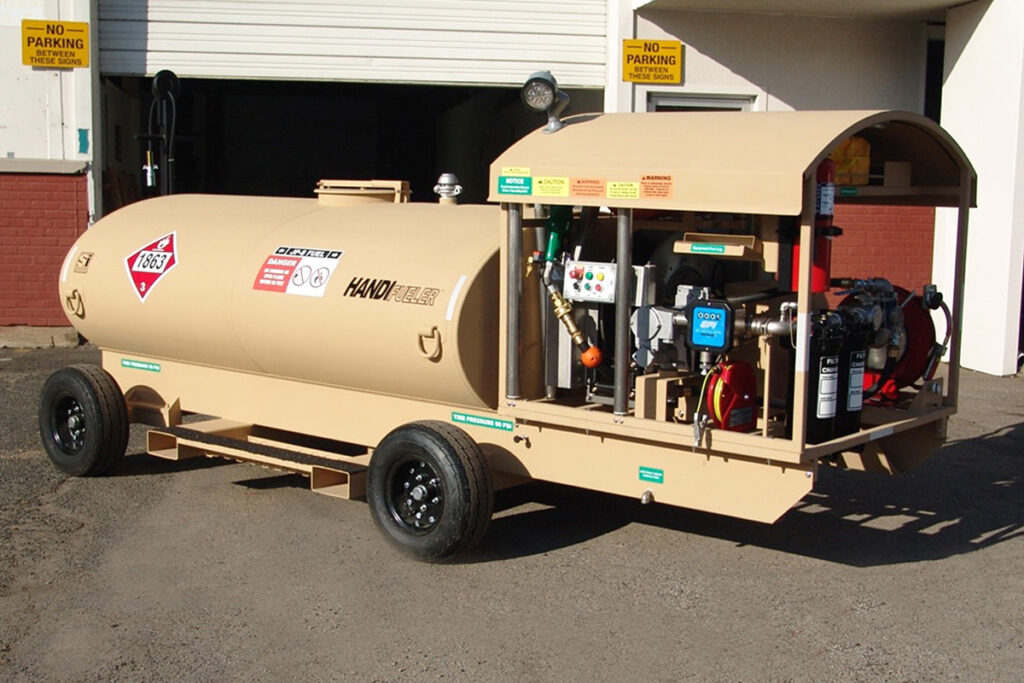
The 1106th Theater Aviation Sustainment Maintenance Group partnered with Spokane Stainless Technologies to deploy the M600 RFOS—a self-contained, sealed fuel operations system with direct sump-drain coupling and dual-stage aviation-grade filtration—that cut defueling time dramatically and improved readiness.
Client Name: 1106th Theater Aviation Sustainment Maintenance Group (TASMG), California Air National Guard
Industry: Military aviation maintenance (rotary-wing)
Location: Fresno, California
Project Scope: Modernize a manual, time-intensive defueling workflow to meet strict standards for safety, environmental compliance, and efficiency.
Solution Provided: Spokane Stainless Technologies engineered and delivered the M600 RFOS (Rotary-Wing Fuel Operations System)—a sealed, filtered, end-to-end solution designed for helicopter maintenance.
The Challenge
For years, the unit manually drained fuel using buckets and transferred it into 55-gallon drums, a method that risked spills, exposed personnel to vapors, and slowed maintenance—creating bottlenecks in readiness. Transport requirements (e.g., loading onto C-130s) often meant complete defuel was needed, amplifying the impact of these inefficiencies.
The Solution
Working as an engineering partner, Spokane Stainless Technologies introduced the M600 RFOS with:
Direct coupling to tank sump drains for controlled, efficient removal
Dual-stage aviation-grade filtration to maintain fuel quality
A sealed, self-contained system that prevents environmental contamination and meets defuel requirements
Fuel reuse capability, allowing cleaned fuel to be returned after maintenance
The Results
Defueling time cut dramatically, removing a key maintenance bottleneck (direct customer quote)
Improved environmental compliance via a sealed system
Enhanced fuel quality through integrated filtration
Faster preparation of aircraft for transport following complete defuel
Ability to refuel with cleaned fuel post-maintenance