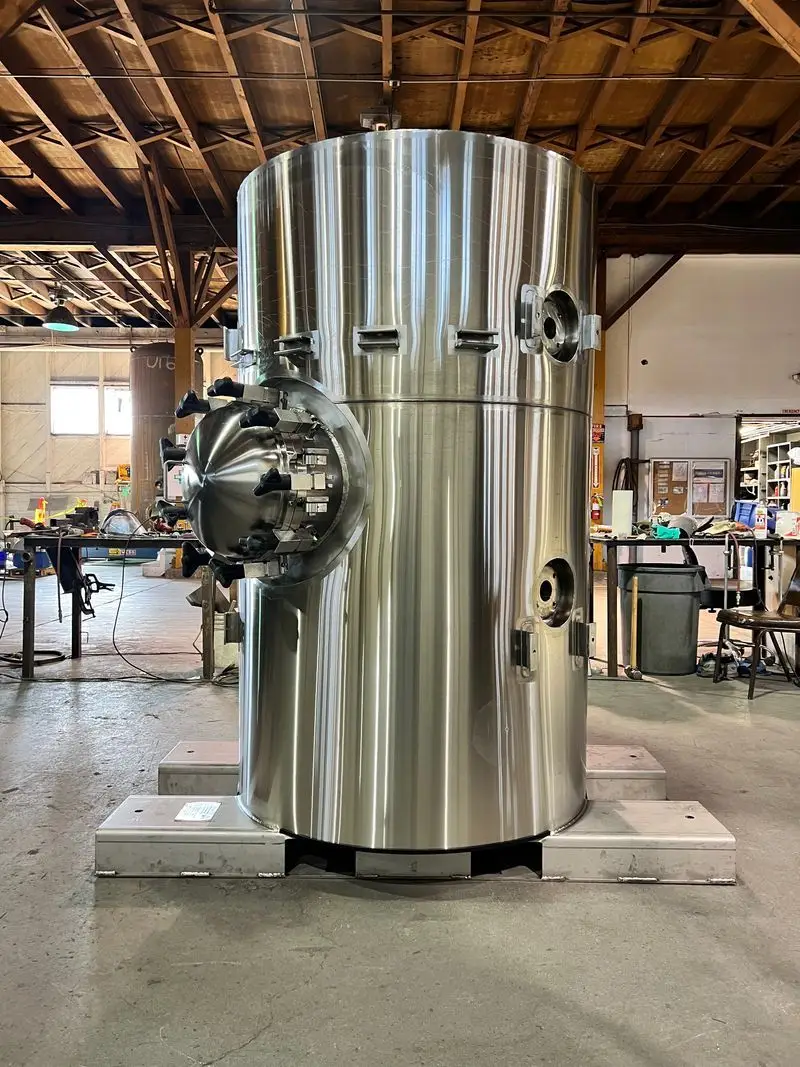
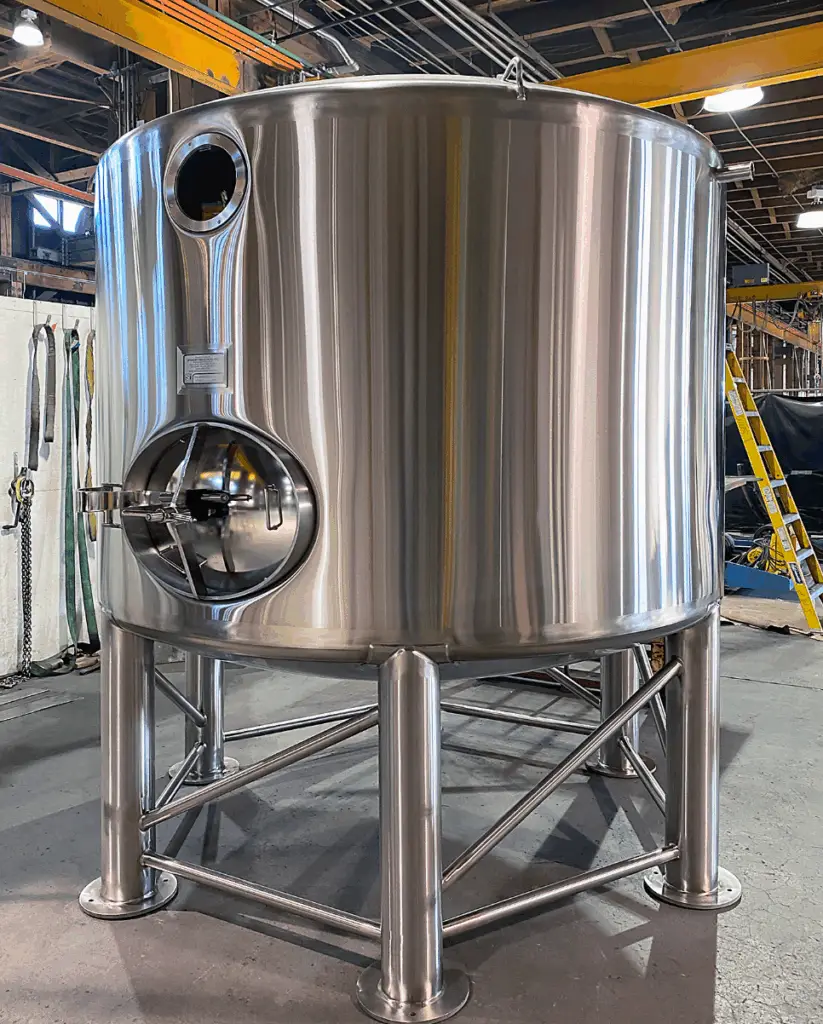
The right wine fermentation tank isn’t just a piece of equipment, but a critical part of your winemaking process. From flavor development to temperature control, your fermentation vessel directly influences wine quality, consistency, and overall production efficiency.
Whether you’re a boutique wine maker or scaling for commercial production, the right wine fermentation tank makes all the difference. We will walk you through the most common types of wine fermentation tanks to help you understand the factors to consider when choosing the right tank for your operation.
Common Types of Wine Tanks
Selecting the right wine fermentation tank starts with understanding the most common materials used and how they impact your process and product. From concrete to stainless steel wine tanks, each type offers different benefits depending on your winemaking goals.
Concrete Tanks
Concrete fermentation tanks are known for their ability to retain steady temperatures, which can create a smooth, controlled fermentation process. However, because temperature adjustments are not as precise, they may not suit every winemaker’s preferences.
Concrete tanks can sometimes impart subtle material notes to the wine. While this may be desirable for certain profiles, not all favor this. The various shapes and sizes that concrete tanks come in offer flexibility in capacity and cellular design for the winemakers who prefer the concrete route.
Stainless Steel Tanks
Stainless steel wine tanks are a go-to choice for modern winemakers. These tanks offer precision, temperature control, easy sanitation, and a neutral environment that won’t affect the flavor of your wine.
Their durability and consistency make them ideal for both red and white wine production, especially for winemakers aiming for clean, fruit-forward profiles. Stainless steel tanks are especially valued in operations where purity and repeatability are key because they don’t introduce any additional flavors in the wine.
While concrete tanks can retain heat and may impart subtle mineral flavors, they don’t offer the same level of precision or sanitation as stainless steel does. For winemakers who value control, consistency, and a clean flavor profile, stainless steel tanks deliver better results.
Unlike porous concrete, stainless steel tanks are non-reactive and easy to clean, minimizing risk of contamination between batches. That’s why more and more wineries are moving away from concrete and choosing stainless steel for reliable, repeatable, and high-quality fermentation tanks.
Tank Sizes and Capacity
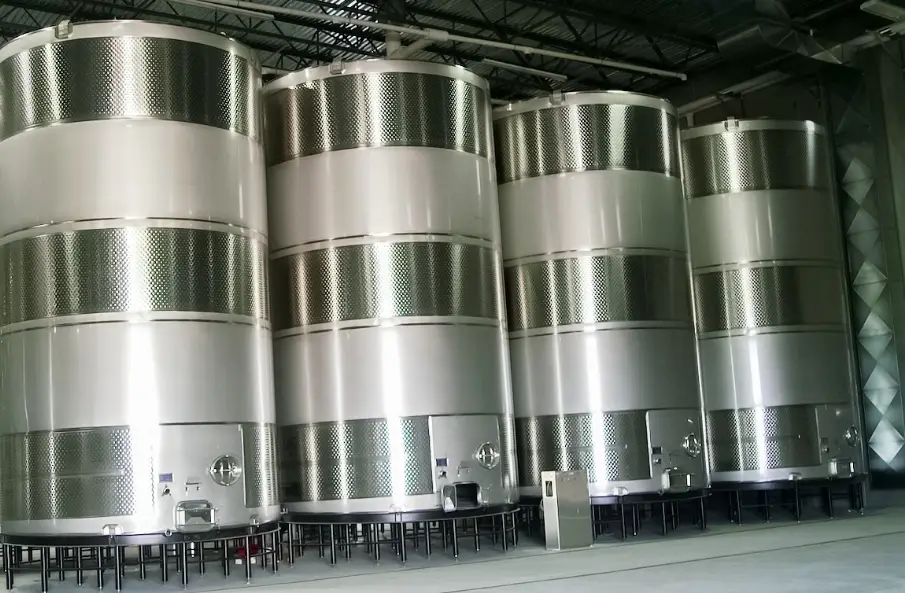
Beyond material, choosing the right tank size is just as important. Fermentation tanks must match your production volume to avoid inefficiencies or even overflows.
If a tank is too small it can result in spills during active fermentation, while an oversized tank may affect temperature stability and slow fermentation dynamics.
When sizing your tank, consider batch size, grape variety, fermentation style, and room for foam or cap rise during fermentation. Getting the right capacity ensures you stay efficient without compromising quality.
Factors To Consider When Choosing a Wine Tank
Selecting the best wine fermentation tank means thinking beyond material and size. There are critical design features and compliance factors that directly impact wine quality, process efficiency, and long-term cost.
Certifications
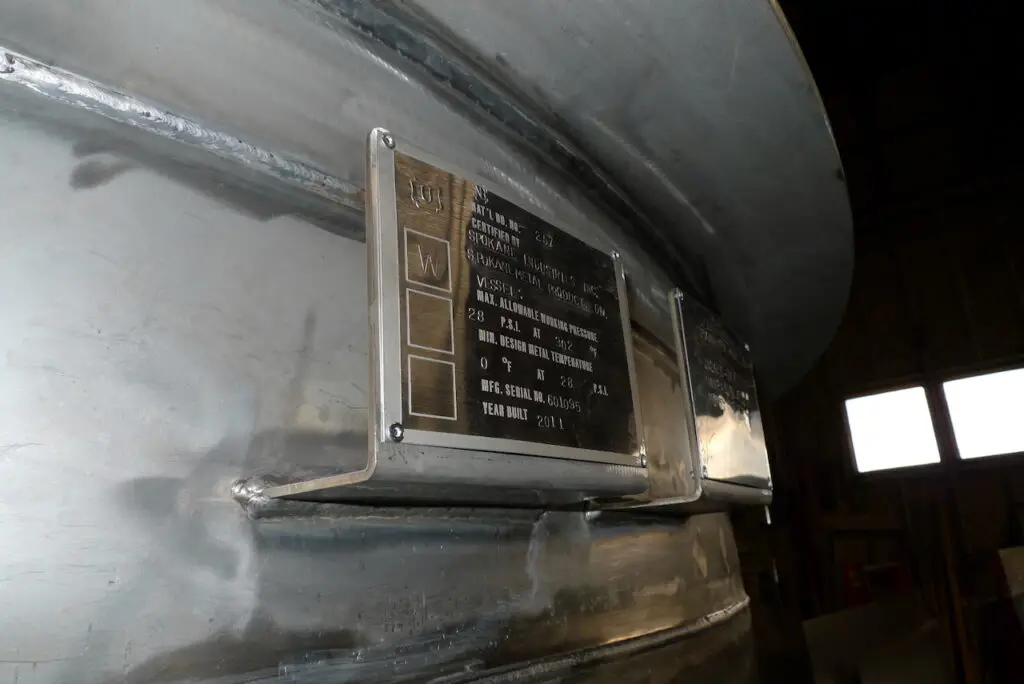
Certifications are not just a technical box to check. They are your assurance that the tank meets industry safety, sanitation, and pressure standards.
For wine fermentation, tanks should be manufactured to meet relevant food-grade and structural requirements.
Key certifications to look for include:
- ASME U & UM: Ensures the tank is built to strict pressure vessel standards
- NSF & FDA: Confirms that materials are safe for food and beverage use.
- UL 142: Indicates safety compliance for flammable liquid storage in case of dual-use or adjacent systems
Having the proper certifications not only protects your production, but can also streamline inspections and regulatory approvals.
Temperature Controlled
Fermentation is a delicate, temperature-driven process. Tanks that offer precise temperature control allow winemakers to influence fermentation speed, flavor development, and the final character of the wine.
Stainless steel tanks are especially popular for this reason. They can be jacketed for glycol cooling, paired with electronic temperature probes, or connected to advanced control panels.
Proper temperature control also helps reduce energy waste, making your operation more efficient over time.
Maintenance
A well-maintained fermentation tank is key to producing high-quality wine. Residue from previous batches can lead to contamination or off-flavors and a hard-to-clean tank adds labor and downtime to your process.
That’s why many winemakers opt for stainless steel fermentation tanks, which are smooth, non-porous, and easy to sanitize. From daily rinses to clean-in-place (CIP) systems, maintenance becomes simpler and more cost-effective when tanks are built for cleanliness.
Fittings and Accessories
Customization can make or break your tank’s functionality. Before purchasing, make sure your tank has the right fittings, or the option to add them, based on your fermentation method.
Helpful features include:
- Adjustable or floating lids
- Sample valves
- Pump-over or racking arms
- Thermowells
- Leveling feet
- Pressure relief valves
- Manways for easy access and cleaning
Choosing a tank that can be adapted to your winemaking style ensures long-term flexibility and efficiency.
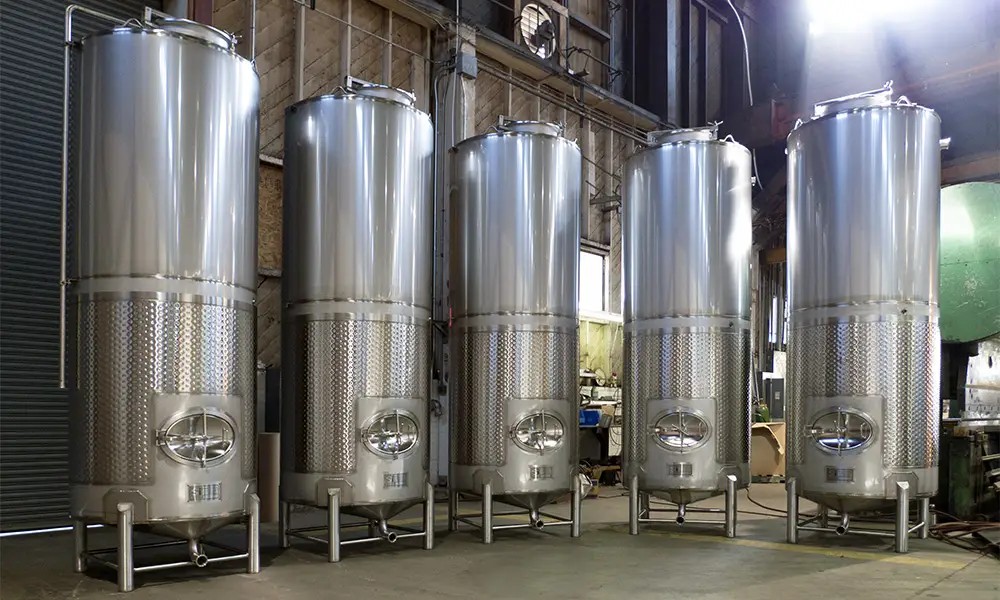
Custom Stainless Steel Wine Tanks
When it comes to fermentation, stainless steel tanks have become the gold standard for wineries of all sizes. They’re durable, hygienic, and easy to maintain covering all critical factors for producing consistent, high-quality wine.
Not every winemaking operation is the same. That is where custom stainless steel wine tanks really shine.
At Spokane Stainless Technologies, we design and fabricate custom stainless wine tanks that are tailored to your production style, batch sizes, space limitations, and fermentation techniques.
Whether you need built-in temperature control specialized fittings, or a tank that fits into a tight cellar layout, our team can deliver a solution that fits. All wineries have their own identity and the equipment you use should support the kind of wine you want to make.
A custom tank not only improves workflow, but also gives you better control over the nuances that define your wine. Want to design a tank that works as hard as you do? Request a consultation with Spokane Stainless Technologies to get started on a custom solution built for your winery.