Potable Water Tanks
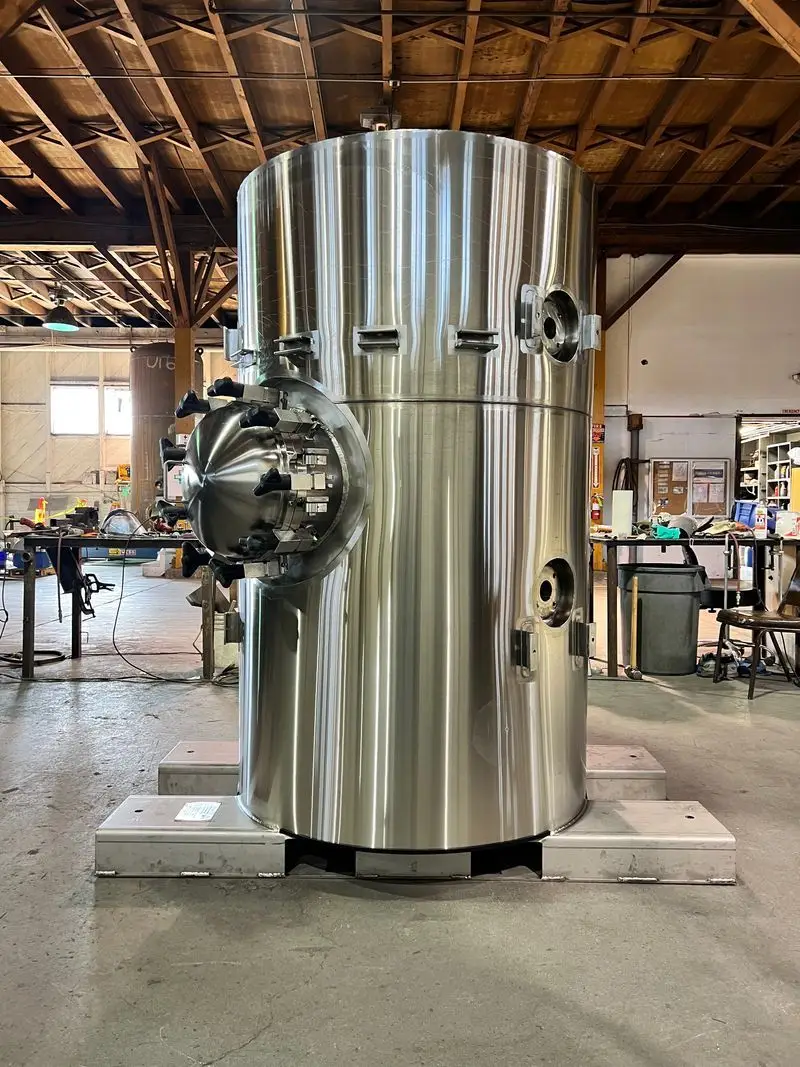
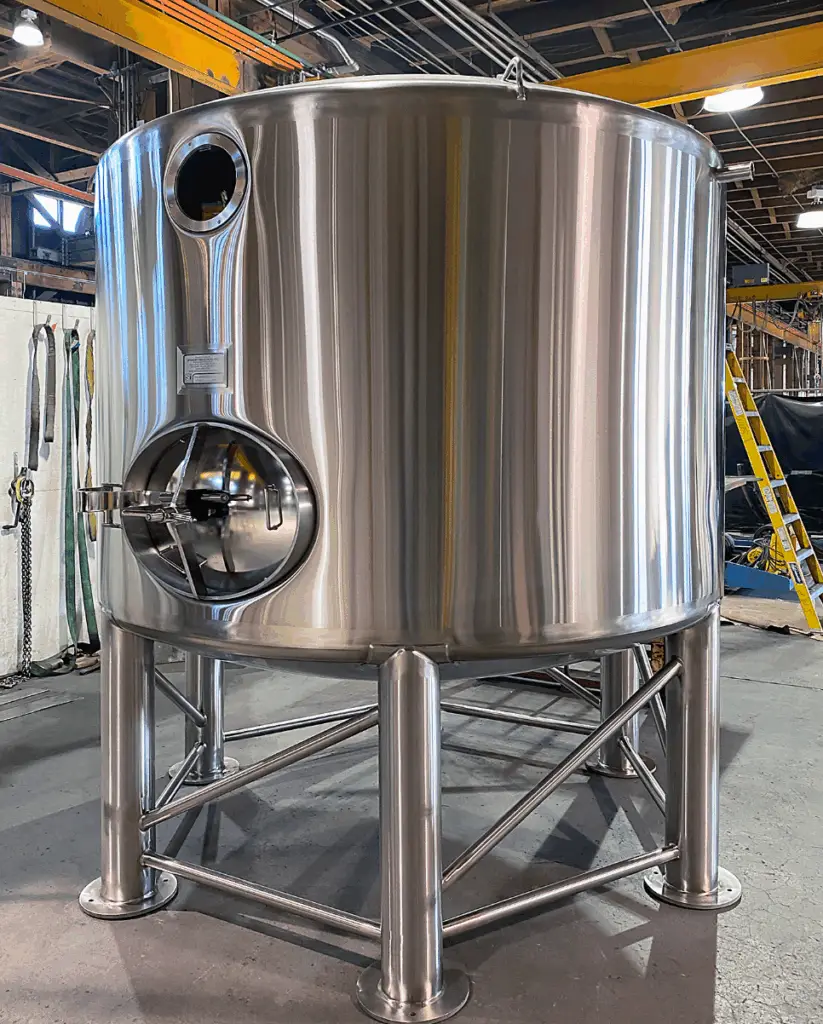
A reliable water tank supply depends on more than access. It requires infrastructure built to perform under pressure. At the core of that infrastructure is the potable water tank.
These tanks play a critical role across industries, but there’s no universal solution. Each application brings its own demands, making tank sizing and configuration a strategic decision.
Municipal water systems use potable water tanks to stabilize supply, particularly in areas facing fluctuating demand or infrastructure limitations. Industrial facilities rely on them to feed essential processes such as cooling systems, sanitation, and production lines, where any interruption can cause costly delays. In agriculture, these tanks support irrigation, livestock hydration, and operational resilience during dry periods.
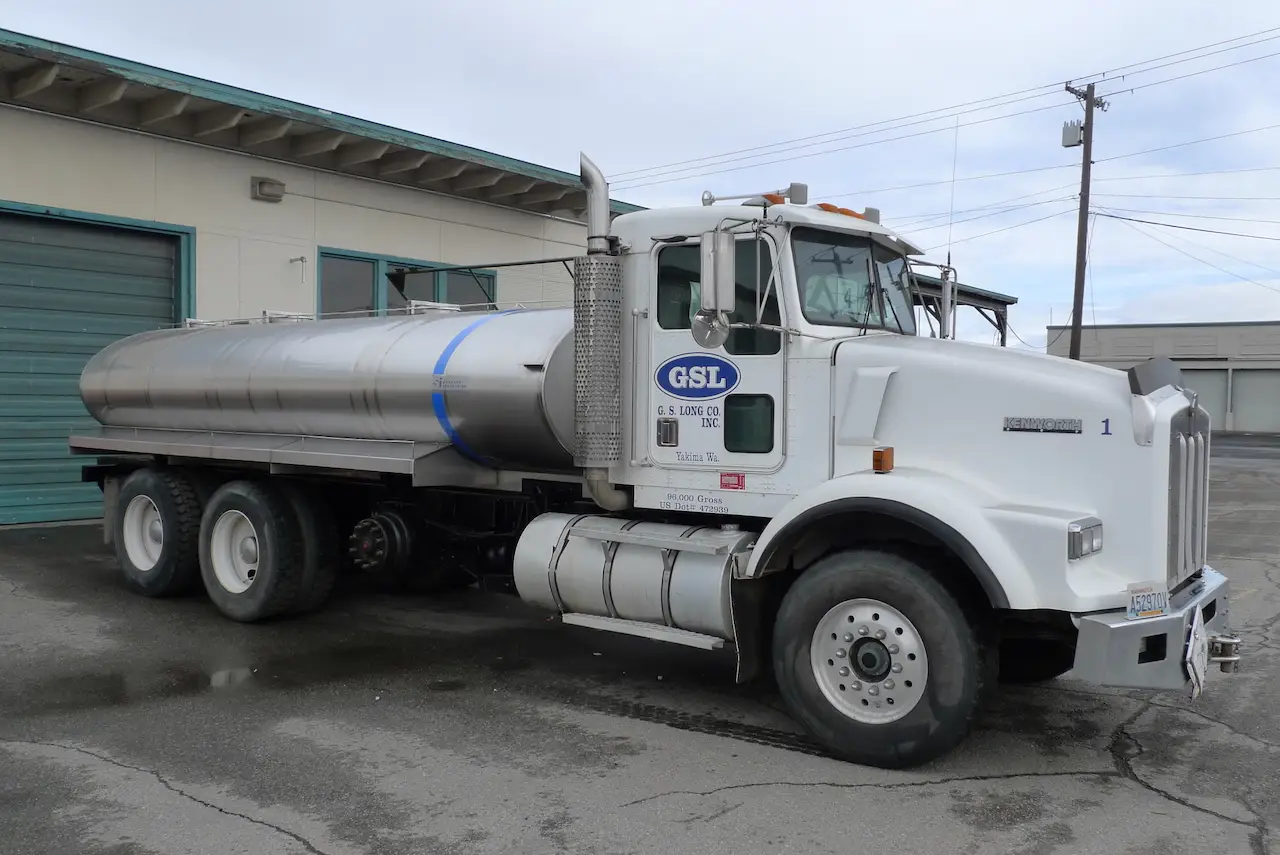
But when disaster strikes, their role becomes mission-critical. These tanks provide reliable potable water for first responders, forest fire crew support, and sustain operations in wildfire zones where permanent infrastructure is scarce or nonexistent. Whether it’s a remote fire line or a rapidly deployed response base, these tanks are built to show up where the job is toughest.
Configurations vary just as widely from mobile units designed for deployment flexibility, to standalone storage in off-grid installations, to integrated systems that operate as part of a larger facility. Each setup is tailored to its environment, its purpose, and its performance requirements.
That’s why capacity selection matters—not just to meet daily volume needs, but to ensure operational efficiency. Tanks that are too small can trigger frequent refills, unplanned downtime, and increased labor. Oversized tanks may inflate capital costs and introduce maintenance or water quality challenges.
It is essential that the tank aligns with both the demands of the application and the conditions of the environment it supports.
Why Tank Capacity Determines Operational Efficiency
Tank capacity is a direct driver of performance, reliability, and operating cost. When properly sized, a potable water tank ensures consistent supply without excess downtime, manual intervention, or unnecessary capital investment.
The volume of the tank directly affects how long your system can run without interruption. If the tank is too small, it can lead to frequent refills, operational slowdowns, and increased labor requirements, all of which can impact productivity and efficiency.
On the other hand, oversizing a tank may seem like a safeguard, but it often results in higher upfront costs, additional maintenance, and underutilized storage.
Whether supporting a manufacturing line, a water treatment system, or an agricultural operation, the right tank capacity strikes a critical balance, delivering the water needed to sustain workflows while minimizing resource waste.
By matching tank volume to actual demand, organizations can maintain a stable operation, reduce unnecessary overhead, and plan for scalability with confidence.
Determining the Right Potable Water Tank Capacity
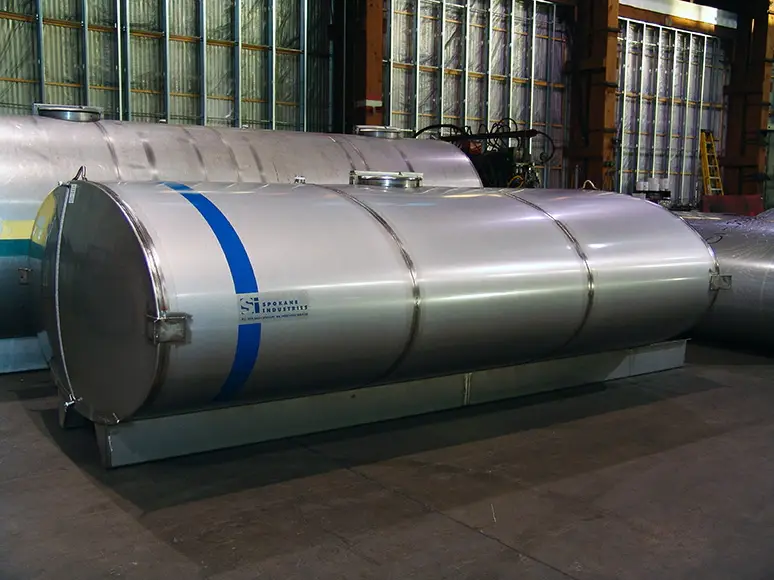
Choosing the correct potable water tank capacity starts with one critical step: understanding total water demand. This includes not only daily usage but also peak consumption periods, refill schedules, and any required emergency reserves.
Tank sizing should reflect the unique operational profile of your facility. For mobile applications, capacity is typically optimized for transport limits and short-term use—ideal for disaster relief, construction sites, or remote deployments. These tanks must be large enough to meet the demand during use but compact enough for mobility and handling.
Standalone tanks, often used in agriculture or off-grid locations, require careful sizing to support extended periods without resupply. These installations must factor in seasonally variability, irrigation cycles, and livestock needs.
In contrast, facility-integrated tanks support ongoing operations such as manufacturing, sanitation, or food processing. These systems often benefit from larger, continuous-capacity tanks that align with production volumes and utility schedules.
Beyond daily demand, several key factors influence the right tank capacity.
- Peak Usage: Does water demand spike during certain hours, shifts, or seasons? Your tank must be able to meet maximum drawdown without interrupting service.
- Refill Frequency: The more often you can refill, the smaller the tank can be, but increased frequency can also raise labor and logistics costs.
- Emergency Storage and Redundancy: Critical operations often require backup volume in case of supply disruptions or system maintenance.
- Installation Footprint: Larger tanks require more square footage, structural support, and clearance, especially in retrofit or space-constrained environments.
By analyzing both operational demands and site-specific constraints, facilities can select a potable water tank that ensures reliable performance without overcommitting resources.
Benefits of Stainless Steel Potable Water Tanks
While potable water tanks can be built from a variety of materials, stainless steel tanks remain the industry standard for high-performance and long-term water storage. Its mechanical and sanitary advantages make it the ideal choice for operations where reliability, safety, and regulatory compliance are non-negotiable.
Corrosion Resistance
Stainless steel naturally resists corrosion, even in variable or aggressive environments. This protects water from contamination and ensures structural integrity over time which is critical in municipal, industrial, and food-grade applications.
Water Quality Preservation
Unlike some plastics or coated materials, stainless steel won’t leech chemicals, degrade under UV exposure, or affect taste and odor. This makes it an optimal material for preserving potable water quality across storage durations and environmental conditions.
Durability and Service Life
Stainless steel tanks are engineered for longevity. They withstand mechanical stress, daily wear, and external environmental pressures far longer than many alternative materials, reducing replacement frequency and long-term costs.
Pressure and Temperature Tolerance
Stainless steel maintains performance across a wide range of pressures and temperatures, making it suitable for demanding applications, whether integrated into high-pressure process systems or exposed to outdoor climate fluctuations.
Ease of Maintenance and Sanitation
Smooth interior surfaces reduce biofilm buildup and simplify cleaning, making stainless tanks compatible with CIP (clean-in-place) systems and other hygiene-focused protocols. This is particularly valuable in food, beverage, and pharmaceutical facilities.
Regulatory Compliance
Stainless steel potable water tanks are fabricated to meet rigorous industry certifications, including NSF/ANSI 61, ASME standards, and regional health codes. This ensures tanks pass safety inspection requirements without compromise.
When performance, longevity, and compliance matter, stainless steel is the clear choice for potable water storage. It’s a material investment that pays off in uptime, product integrity, and peace of mind.
Spokane Stainless Technologies Potable Water Tanks
At Spokane Stainless Technologies, we design and build potable water tanks that meet the real-world demands of critical industries. Whether you’re managing municipal infrastructure, scaling industrial production, or supporting emergency response, our custom stainless steel tanks are engineered for long-term reliability, compliance, and performance.
When your operation depends on water that’s safe, reliable, and always available, Spokane Stainless Technologies delivers tanks you can trust, backed by the experience to get it right the first time.
Contact our team today to discuss your application sizing requirements, and compliance needs—we’ll help you design a tank that delivers lasting performance.