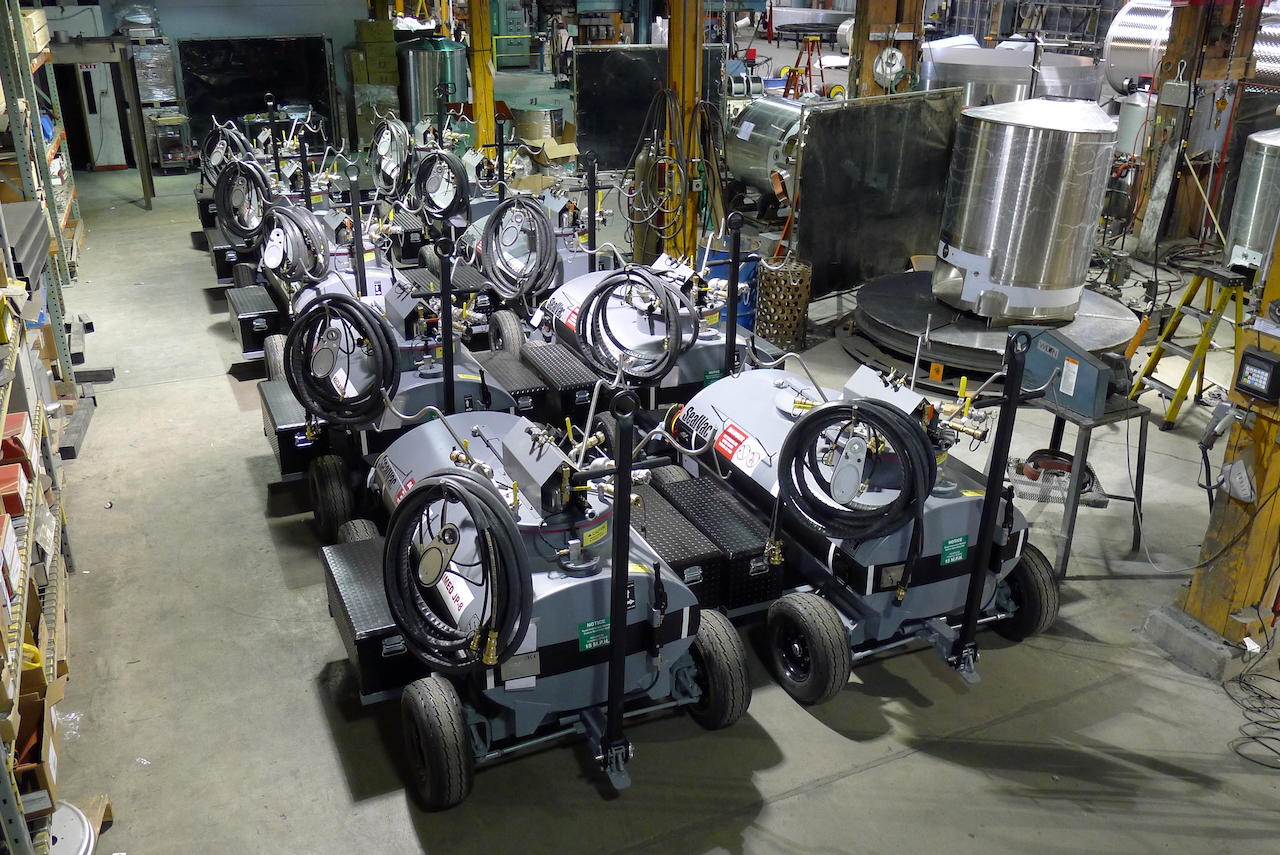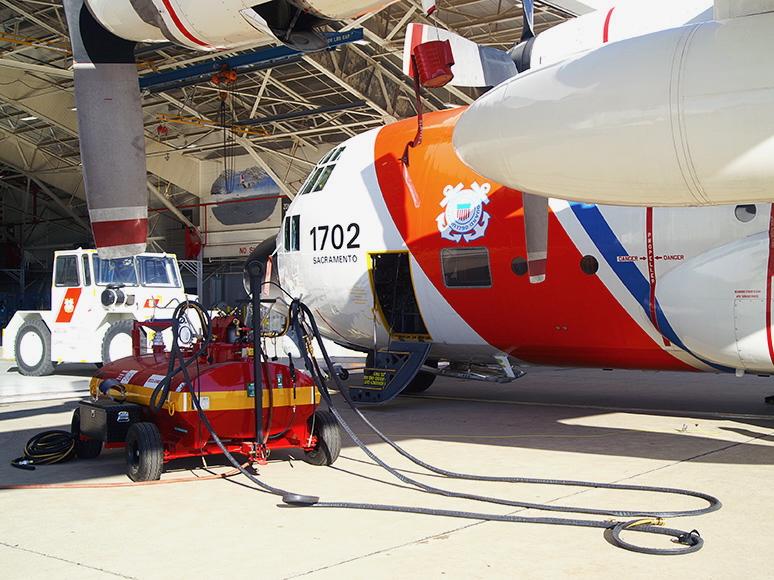
A fuel bowser is a mobile unit designed to safely store, transport, and handle aviation fuel as part of routine ground support and maintenance operations. These units play an essential role in managing fuel quality, supporting defueling or fuel recovery processes, and ensuring that maintenance crews can work efficiently and safely around the aircraft.
Selecting the proper aircraft fuel bowser is critical for maintaining operational efficiency. The appropriate system streamlines ground operations by enabling faster, cleaner fuel removal when required, protecting fuel integrity through proper filtration and containment, and reducing unnecessary wear on equipment. The right bowser also supports high-demand environments by keeping maintenance workflows consistent and dependable.
When a fuel handling or recovery system is undersized or outdated, it can cause delays, fuel loss, safety concerns, and added operational expenses. Choosing the correct aircraft fuel bowser helps safeguard fuel during maintenance procedures, improve overall efficiency on the ramp, and support smoother fleet operations.
Fuel Bowser Factors to Consider
Selecting the right aircraft fuel bowser requires more than just finding a tank that fits your operation, but ensuring long-term efficiency, reliability, and safety. The following key factors can help you identify a bowser that meets your performance and compliance needs.
Capacity and Tank Size
Selecting the right capacity is crucial to maintaining efficient fueling operations. The tank size should align with how much fuel your operation needs to recover, transport, or manage during maintenance procedures. Larger units reduce the frequency of transfers, while smaller tanks offer easier maneuverability in confined spaces.
Finding a balance between storage capacity and maneuverability ensures smooth ground operations without unnecessary logistical challenges.
Fuel Type Compatibility
Not all aircraft fuel bowsers are designed for every type of aviation fuel. It’s essential to confirm compatibility with the specific fuels your fleet uses—whether Jet A, Avgas, or specialty blends. For operations that service multiple aircraft types, consider a bowser equipped for multi-fuel handling to maintain flexibility without compromising safety or fuel quality.
Safety Features
Safety must remain the top priority when selecting a fuel bowser. Look for systems designed with built-in safeguards to prevent spills, overflows, and static discharge during refueling. Compliance with key certifications like DOT 406, 407, and 412 for transport tanks ensures your equipment meets aviation industry standards for safe operation.
Mobility
On crowded or compact ramps, mobility becomes a crucial factor. A fuel bowser should be easy to maneuver without compromising stability or structural strength. Quality wheel assemblies, durable towing components, and balanced tank design all contribute to safer movements through tight or irregular workspaces.
Maintenance
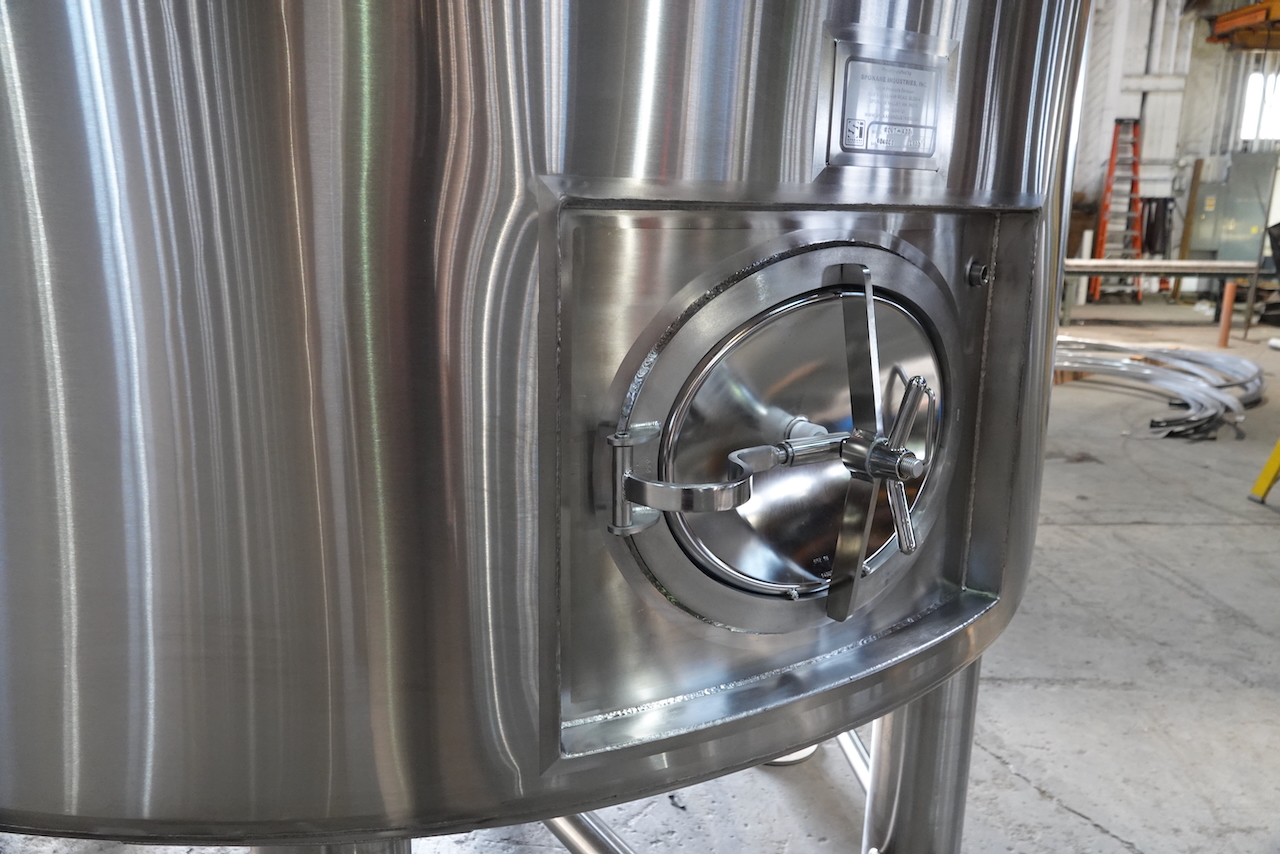
Tank materials significantly influence long-term upkeep. Stainless designs offer notable benefits due to their corrosion resistance, structural durability, and long service life. Choosing a stainless steel tank can reduce long-term maintenance costs, minimize downtime, and support consistent performance across daily ground support operations.
A well-selected fuel bowser supports safe, efficient fuel handling while meeting the specific requirements of your fleet, volume, and operational environment. By evaluating these key factors, you can invest in equipment that strengthens performance, reduces operational risk, and supports dependable ground operations for years to come.
Fuel Bowsers from Spokane Stainless Technologies
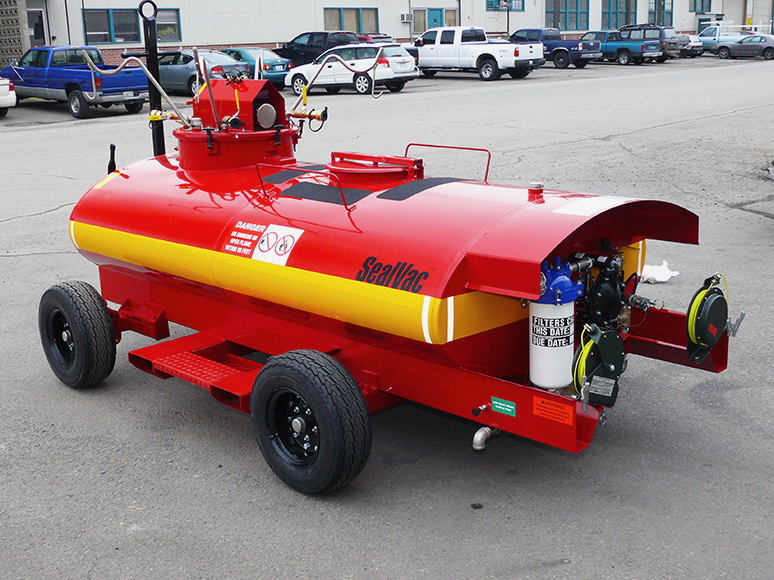
Spokane Stainless Technologies offers a range of aviation fueling solutions designed to meet the demanding needs of aircraft maintenance and ground operations. The SealVac and SealVac Plus fuel bowsers stand out for their precision, safety, and operational efficiency.
The SealVac Fuel Bowser is built for dependable, everyday performance in aircraft fuel recovery and defueling tasks. It’s an ideal solution for maintenance teams that need to safely and efficiently drain residual fueling while minimizing loss and maintaining strict safety compliance.
The SealVac Plus Fuel Bowser, expands on the capabilities of the standard model with enhanced capacity and more advanced vacuum recovery features. This makes it well-suited for high-volume, multi-aircraft, or heavy-use environments where faster recovery and greater fuel handling efficiency are critical.
Both units are designed to drain fuel faster, reduce safety risks, and support fuel recovery and reuse, helping teams cut operational costs while supporting more sustainable fuel management practices.
Spokane’s line of aviation fueling products extends beyond bowsers, offering custom-engineered fuel handling systems built to meet specific operational requirements. For more information or to discuss a custom fuel bowser solution for your fleet, contact Spokane Stainless Technologies today.